Fundraiser finished
Inga Golańska - main photo

A Heart for Inga: With one operation, Inga can have a normal life

Fundraiser goal: Heart surgery in the United States, medical transport

Fundraiser organizer:
Inga Golańska, 10 years old
Kraków, małopolskie
Ebstein’s anomaly, quadriplegic cerebral palsy, muscle spasticity, gastrostomy, colostomy
Starts on: 19 January 2021
Ends on: 10 March 2021
PLN 960,507(102.18%)
Donated by 12586 people

Pledge 1.5% of tax

KRS0000396361
Purpose of 1.5% of tax0108498 Inga

Fundraiser goal: Heart surgery in the United States, medical transport

Fundraiser organizer:
Inga Golańska, 10 years old
Kraków, małopolskie
Ebstein’s anomaly, quadriplegic cerebral palsy, muscle spasticity, gastrostomy, colostomy
Starts on: 19 January 2021
Ends on: 10 March 2021

Fundraiser result

Operacja się udała! Dziękujemy!

Inga w połowie kwietnia przeszła operację polegającą na rekonstrukcji prawej części jej serca.  Operacja ta stanowiła poważne wyzwanie dla lekarzy, ponieważ nawet w wybranym przez nas Centrum Anomalii Ebsteina w UPMC Children’s Hospital of Pittsburgh, specjalizującym się w tej konkretnej, rzadko występującej wadzie serca poinformowano nas, że jej przypadek jest skrajny, a budowa anatomiczna serca bardzo nietypowa.

Operacja została zaplanowana na dwa kolejne dni. W ciągu 48 godzin nasza córka dwukrotnie była na stole operacyjnym. Na szczęście rekonstrukcja serca przeszła sprawnie i bez większych powikłań! Co najważniejsze, po wszystkim organizm naszej córki wyjątkowo szybko zaczął się regenerować. Do tego stopnia, że… Inga została wypisana ze szpitala zaledwie po 6 dniach pobytu szpitalnego! Na to jako rodzice nie byliśmy przygotowani! Zakładaliśmy bowiem, że jej pobyt będzie trwał – jak ma to miejsce zazwyczaj w przypadku dzieci z Anomalią Ebsteina – około 14 dni.
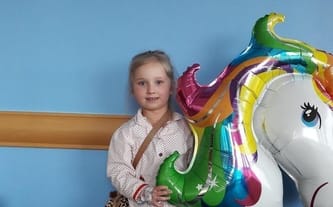
Inga Golańska

Jak wygląda życie Ingi niecały miesiąc po operacji?

Choć serce Ingi pracuje prawidłowo, to wciąż niektóre parametry odbiegają od normy. Zrekonstruowana i umieszczona w zupełnie nowym miejscu zastawka trójdzielna nie działa idealnie. Prawa komora również nie pracuje jeszcze na pełnym obrotach. Ale! Lekarze powtarzają, że serce potrzebuje po prostu czasu, aby „nauczyć się” nowej pracy, a ciało, aby przystosować się do zmian po operacji.

Czas jest także niezbędny do tego, aby wymęczone operacją serce nabrało mięśni, a w pełni zrekonstruowana zastawka trójdzielna nauczyła się na nowo pracy w nowej "lokalizacji". To nie kwestia dni, ale miesięcy, może nawet lat. 

Inga nie przyjmuje żadnych lekarstw. Co więcej, nie tylko nie ma przeciwwskazań do aktywności sportowych, ale wręcz takie są zalecenia od lekarzy! Jej organizm potrzebuje ruchu i umiarkowanego wysiłku, aby systematycznie wzmacniać serducho. Inga w przyszłości zapewne nie będzie sportsmanką i nie stanie na podium, ale już niedługo może bawić się i biegać jak inne dzieciaki w jej wieku. O niczym innym nie marzymy!

Zmiany pooperacyjne widoczne są „gołym okiem”. Kolor skóry Ingi uległ zmianie. Jej usta po raz pierwszy w życiu są koloru różowego. Nas rodziców bardzo cieszy, że skończyły się także ataki złości, poirytowania czy dekoncentracji, będące wcześniej efektem znacznego niedotlenienia organizmu. Widzimy naszą córkę w zupełnie nowej odsłonie, uświadamiając sobie zarazem, jak bardzo męczyła się w swoim wcześniejszym ciele.

Brak nam słów, aby wyrazić swoją wdzięczność. Nie tylko dla lekarzy-cudotwórców, ale także wszystkich darczyńców, dzięki którym ten cud mógł się zadziać!

DZIĘKUJEMY!
Fundraiser description

At five years old, Inga is already halfway through her life. Inga has an extreme form of Ebstein’s Anomaly, a rare heart defect. The survival rate for people with this condition is just ten years. Inga’s only hope is surgery. But time is running out. The oxygen saturation in Inga’s blood is dropping and she is approaching dangerous levels of oxygen deprivation throughout her body.

Lifesaving heart surgery would not just allow her to survive, it would give her a
normal, healthy childhood. With this surgery, Inga would grow to be a teenager, an adult, and maybe even start her own family one day.

To access this surgery, Inga needs to go to the Ebstein’s Anomaly Center in the United States. However, the cost of the procedure, recovery treatment, and transport is an estimated 1 million Polish złoty or about 350 000 $ / 250 000 GBP.

A team of family and friends are rallying around Inga to raise this money by the end of March 2021 when she must go for surgery. Any donation, large or small, will help reach the goal and give this very special little girl the gift of life.

#HeartForInga 
#SerceDlaIngi

Inga Golańska

The waiting time for Inga

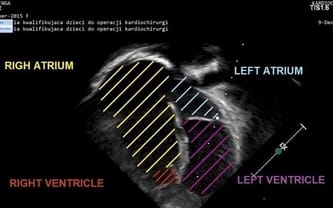
Inga’s mother Agnieszka had a textbook pregnancy with her. There was no indication that there might be a problem with her baby girl at first. That was, until the second ultrasound, right in the middle of the pregnancy, when the doctor went quiet mid-scan. Agnieszka recalls him looking nervous. Finally, he told them that the baby’s heart seemed to have a strange structure, and immediately referred them to a specialist. Agnieszka and her husband Sławek, didn’t know it then, but this was to be the first of countless medical appointments that continued throughout the pregnancy.

For a long time, doctors did not know what was wrong with the baby’s heart. This was an incredibly stressful time for the soon-to-be parents. When the problem was finally diagnosed, Ebstein's Anomaly in its extreme form, it was difficult for doctors to give a prognosis due to the rarity of the condition. They were told to prepare for the worst: their baby might die soon after birth.

Agnieszka remembers that period very well: “Time stopped for a few months. I was visibly pregnant, so people reacted positively and congratulated us. I couldn’t handle it. That’s why I stayed at home until I gave birth. I just wasn’t able to fake joy, nor was I ready to tell everyone about our tragedy. I stopped answering phone calls. I was just waiting to give birth. That's all I could do.”

Inga Golańska

Conflicting information

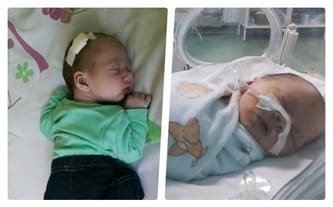
Immediately after the birth, Inga was put in an incubator. Her condition was severe.
Slowly, her health improved enough for her to go home. Endless doctor visits and
tests became part of the family’s everyday life.

You can count on one hand the number of children in Poland who are diagnosed with this rare heart defect each year. Tragically, some children do die shortly after birth. In other cases, parents elect for surgical treatment abroad. Why? Due to the extreme rarity of this form of Ebstein’s Anomaly, Polish cardiologists and cardiac surgeons do not have the knowledge or experience necessary to give patients the best possible chance of survival from surgery.

This is, unfortunately, confirmed by the experiences of Agnieszka and Sławek:
“Over the last 5 years, we have heard extremely different opinions, from ‘operate immediately’ to ‘let's wait until she is a teenager’ or ‘let's leave it as it is, why interfere is she is managing somehow’. But she isn’t managing. Inga is just getting worse and worse. She can’t handle even slight physical exertion; her hands are turning blue due to low oxygen in her body.”


Worsening condition

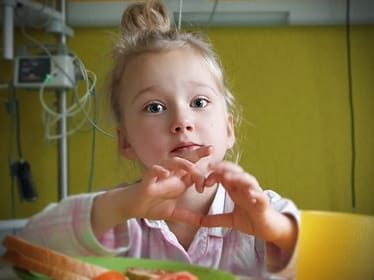
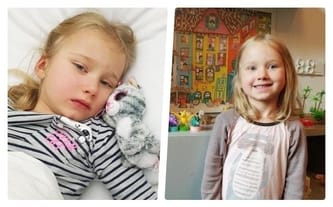
At first, Inga seems no different to any other little girl. She has a beautiful smile and long blonde hair. She likes to play with her friends, and you will often see her laughing and joking with them. However, dig a little deeper and you will see the series of “do’s and don’ts” that rule her life. She cannot run or jump because it elevates her heart rate to dangerous levels. She cannot tolerate high temperatures and so must stay inside in hot days. Any minor cold or virus can be life threatening as even a slight fever puts dangerous stress on her heart.

Inga Golańska


As Inga grows, the problem of hypoxia, i.e., low oxygen saturation in the blood, worsened. As her body grows, her heart can’t keep up. Oxygen levels in her blood are now around 83-86%. For comparison, a person suffering from COVID-19 whose saturation falls below 90% needs medical attention and oxygen therapy. If the saturation drops below 80%, there is the real risk of organ damage and failure leading to death.

Ebstein's Anomaly is an extremely rare heart defect, it makes up only 0.5% of all heart defects found in children. Ebstein's Anomaly can take many forms: mild, moderate, or severe. Inga has the worst, most extreme form.

The statistics are harsh. The average life expectancy of people with Ebstein’s Anomaly is 20 years. As many as 50% of all patients die in early childhood. One third of patients survive until the age of 10. Unfortunately, Inga’s extreme form of the defect gives her an event worse prognosis.

Hope: Surgery in the USA

Over the years, Inga’s parents have been presented with near impossible decisions to make regarding Inga’s treatment. None of the options that they were presented with in Poland involved the complete reconstruction of the heard necessary for Inga to have a chance at lasting health. There is no information or statistics on success rates, meaning they never know the likelihood of her surviving surgeries, potential long-term complications, the impact a pacemaker might have, or whether there would be a need for multiple surgeries. Doctors simply did not know.

Inga’s dad, Sławek, says: “Doctors always present their opinions on further treatment, ending with the statement but you, as parents, have to decided. So, we decided! We want our daughter to get surgery at the UPMC Children's Hospital of Pittsburgh, where the Ebstein’s Anomaly Center is located. Dr Jose da Silva specializes in this particular heart defect and created of an innovative method of surgery called the cone method.”

Dr Da Silva's “cone method” is a true innovation. Not only does it involve the
complete reconstruction of the heart, but it also restores the right ventricle to its normal size and repairs the heart's tricuspid valve. His method is very low risk, as confirmed by publicly available research and statistics. Dr Da Silva did not have a single death during or because of surgery during his time at the UPMC Children's Hospital of Pittsburgh. Moreover, as many as 80% of the patients operated on by him do not require ongoing pharmacological treatment. Da Silva’s cone method is considered the gold standard in the treatment of Ebstein’s Anomaly.

Double birthday

Inga has a younger brother, one-year-old Leon. Leon idolises Inga. He follows her everywhere and imitates everything she does. Inga loves dinosaurs; she has a whole collection of them. She says she wants to give this collection to Leon once she grows up, but right now the chances of her growing out of these toys and seeing her brother play with them are very low.

If Inga were to get this life-saving surgery, it would be like a second birthday for her. That date would mark her second chance at life, and not just the life she has known so far, but a normal, healthy life. Sławek says: “As parents, we cannot do this alone. We have already dealt with many obstacles, but 1 million Polish złoty is an impossible sum for us. But this is what it will take to cover the surgery itself, the hospital stay, and medical transport.”

But you can help. With your support, we can make this second chance of life a reality for Inga and her family. Join Inga’s supporters now and give what you can.
#HeartForInga 
#SerceDlaIngi


➡️ Facebook - Serce dla Ingi (opens a new tab)

➡️ Instagram - Serce dla Ingi (opens a new tab)

Select a tag
Sort by
  • Anonymous donation
    Anonymous donation
    Share
    PLN 10
  • Anonymous donation
    Anonymous donation
    Share
    PLN 50
  • Anonymous donation
    Anonymous donation
    Share
    PLN 20
  • Anonymous donation
    Anonymous donation
    Share
    PLN 100
  • Anonymous donation
    Anonymous donation
    Share
    PLN 200

    Donation made via money box ❤️ Serce dla Ingi ❤️

  • Anonymous donation
    Anonymous donation
    Share
    PLN 50

Inga Golańska is still fighting for recovery. Support the current fundraiser.

DonateDonate